



How to Style a Linen Tablecloth for Casual UK Garden Lunches
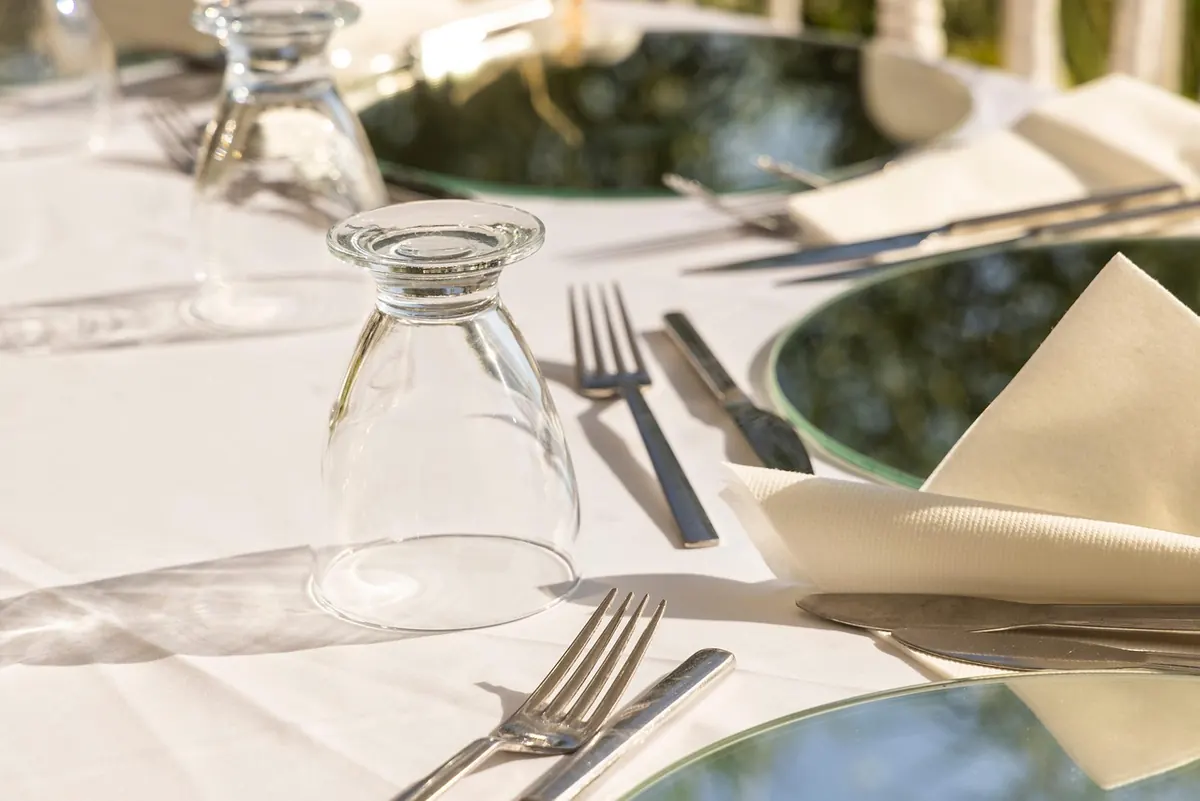
A garden lunch in Britain is an act of optimism. You watch the forecast all week, cut the grass, then sit down to eat with one eye on a cloud that has been thickening since eleven. A linen tablecloth is what makes it feel like an occasion rather than a picnic with chairs — a proper table, outdoors, without the stiffness of the dining room. The aim is a table that looks relaxed and intentional. That means choosing the cloth carefully, layering it lightly, and keeping everything on top simple enough to carry in and out in one trip.
Start with the cloth itself
Linen is forgiving outdoors. It creases, which is part of the appeal, and it softens with every wash. But not every cloth suits a garden table, so think about three things before you shake anything out.
Weight and weave
A mid-weight linen — sturdy enough to hang without flapping, light enough to drape — behaves best outside. Very fine, handkerchief-weight linen lifts in the slightest breeze and turns into a sail. Very heavy linen holds its shape too rigidly for a casual lunch. If your cloth is new and still crisp, wash it a couple of times before the day; washed linen lies flatter and looks softer.
Size and drop
Aim for a drop of roughly 20 to 25 centimetres. On a lawn or uneven paving, longer overhangs catch ankles, chair legs and the dog. On a trestle or folding table, a slightly shorter cloth looks neater and stays put. Too small is worse than too big: a cloth that only just covers the tabletop will slide about all afternoon while you tug at the corners.
Colour and pattern
Natural, oatmeal and pale grey are the easiest starting points and flatter almost any plate. If you want colour, look at the dusty end of the spectrum — sage, faded blue, clay, washed terracotta. These sit well against grass and brick and don't compete with the food. Narrow stripes and simple checks are lovely; large bold prints look busy once napkins, glasses and a bowl of tomatoes join them.
Layer it, but keep it light
Layering is where a plain table becomes interesting. Two rules keep it from tipping into fuss. First, two patterns at most — usually one pattern plus one plain texture. Second, every layer should sit flat on the one below.
- A runner across the width. A length of striped linen or a folded plain cloth laid across a plain tablecloth adds colour where the plates will sit.
- A square cloth over a rectangle. Lay a square cloth diamond-wise on a small round table for an easy, picnic feel.
- A contrast cloth underneath. A slightly larger plain cloth beneath a smaller patterned one creates a border without any sewing.
- Skip the plastic. If you need protection, use a plain cotton sheet or a washable pad underneath rather than a plastic cover on top.
Tableware that suits the outdoors
Outdoor light is bright and unforgiving, and a table crowded with patterned china quickly looks cluttered. Plain glazed plates in white, cream or pale grey are the most useful thing you own. Enamel works beautifully with linen too, and it is far more forgiving when someone drops one on the patio.
A few habits make the difference:
- Pick one metal and use it throughout — all stainless steel, all pewter, all brass. Mixing three finishes reads as an accident.
- Choose one plate shape: round plates with round bowls, or square with square.
- Leave charger plates in the cupboard. They add weight and a formality that fights the garden.
- Serve from wooden boards, enamel dishes and plain ceramic bowls rather than bringing out the best platters.
- Match your jugs to each other — one for water, one for flowers.
Napkins, cutlery and glasses
Linen napkins are the easiest upgrade to a garden table. Folded loosely into a pile, or tucked under each fork, they look generous without being tricky. Skip anything resembling origami; a swan made of linen on a folding table is a strange sight. If you don't have enough matching napkins, mismatched ones in the same colour family work well — a wash of blues, or a mix of naturals, looks collected rather than careless.
Cutlery can be plain and mismatched as long as it is clean and comfortable. Glasses should be stackable and replaceable; tumblers for water and a simple wine glass will survive a garden better than anything thin-stemmed. A glass jug of water with mint or lemon slices does more for the table than a vase of flowers.
Centrepieces that stay put
The centre of an outdoor table is no place for tall arrangements. Anything above about 25 centimetres blocks conversation and catches the wind. Go low and heavy: a shallow bowl of lemons, a few pots of herbs, a small jug of short-stemmed flowers, or a candle in a glass hurricane. Herbs smell wonderful, look good when the flowers have gone over, and a pot of thyme does not care about a sudden gust.
If you are using cut flowers, keep the stems short and the arrangement wide. A shallow bowl, or a jam jar sunk into a larger container, gives you a low, stable display that will not end up on someone's plate.
Wind, sun and the inevitable spill
Two spring clips on a trestle, or a tablecloth clip at each corner, will stop the whole arrangement shifting. On a bench, a cloth tucked and sat on behaves better than one laid loosely. If it is breezy, put the heaviest objects — the water jug, the bread board, the salad bowl — around the edges and keep the middle clear so nothing topples.
Sun fades linen over a season, worth remembering if you leave a cloth out for days. As for spills, deal with them while the plates are still on the table: blot with kitchen paper, then rinse in cold water with a little mild detergent. Hot water can set a wine or oil mark, so keep it cool and be patient. For old or stubborn stains, a specialist cleaner is a better bet than a home remedy you are unsure about.
Ten minutes to a laid garden table
- Shake the cloth and lay it so the drop is even on all sides.
- Add a runner or a second, smaller cloth if you want colour.
- Put the plates down first, then the napkins, then the cutlery.
- Set out the glasses and a jug of water in the middle, plus a second jug if you are serving something cold.
- Place the low centrepiece last, once you can see what space is left.
- Stand back and take one thing away. That is usually the right number of objects.
Nothing here needs to be expensive or matched. A washed linen cloth, plain plates, a few glasses and a bowl of something from the garden will look better than a table that has been over-thought. Lay it, sit down, and keep half an eye on the sky.
Photo: Engin_Akyurt / Pixabay